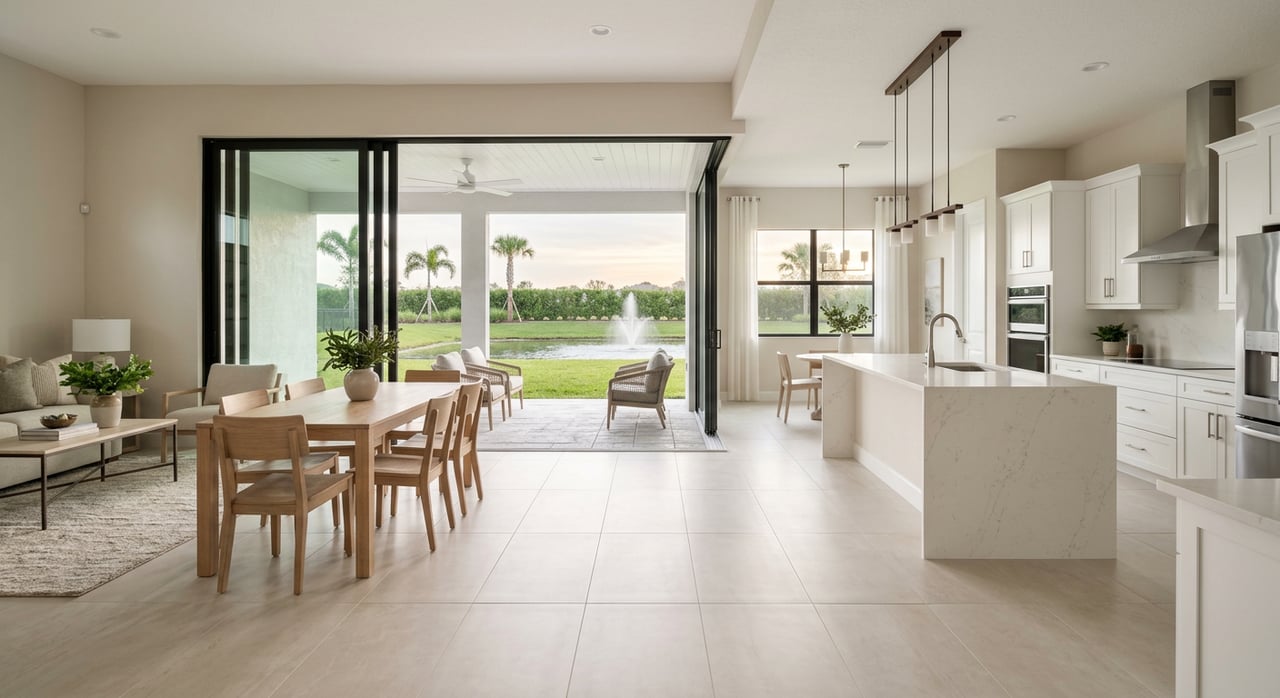
Buying New Construction In Central Park St Lucie
Touring model homes in 34987 and wondering what is real, what is hype, and how to lock in a smart deal? You are not alone. New construction in Central Park has many moving parts, from builder choices to HOA and CDD fees. In this guide, you will learn how the neighborhood is organized, what drives price, how the build timeline works, and how to compare financing and incentives with confidence. Let’s dive in.
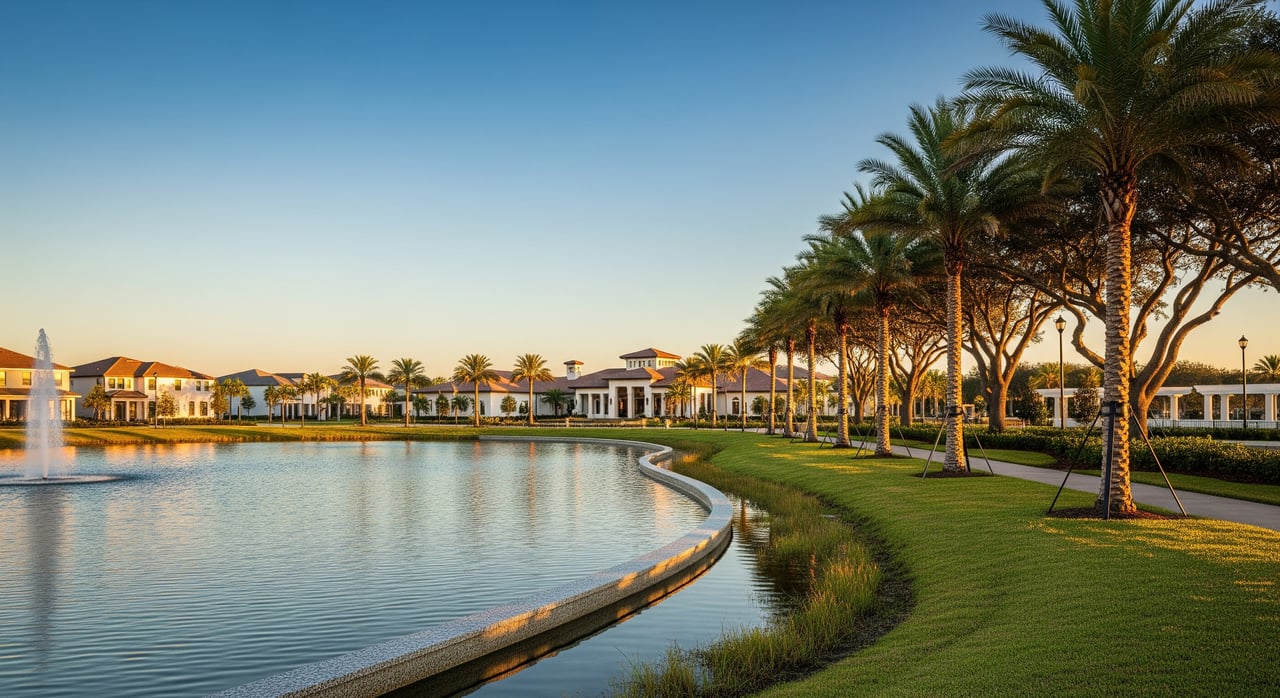
Central Park is a new master-planned community in western Port St. Lucie. The plan spans about 320 acres and contemplates roughly 1,000 homes across several villages, with multiple builders selling at the same time. You can verify the community size and scope on the developer’s site, which outlines the master plan and governance details for buyers who want the full picture. See the master-plan overview.
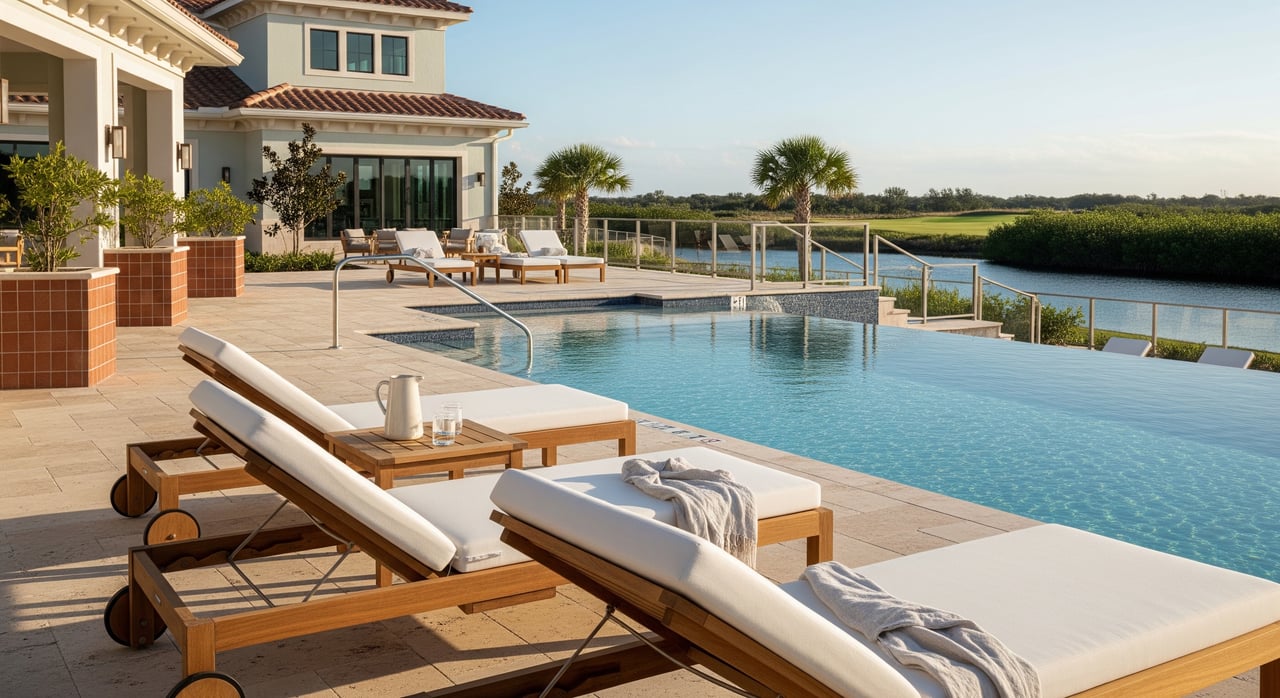
A key highlight is Inspiration Park, a 10-acre recreation hub that anchors the neighborhood. Amenities include a clubhouse, resort-style pool with splash pad, lap lanes, an oval walking and jogging track, playgrounds, dog parks, and courts for pickleball, tennis, and basketball. There is also event space that hosts pop-ups like farmers markets and food trucks as phases come online. You can review the full amenity list on the community site. Explore Inspiration Park amenities.
For day-to-day living, Central Park sits near Verano Parkway and Crosstown Parkway, close to the Tradition and PGA Village area. According to the developer, you are generally within a 10 to 20 minute drive of local shopping, hospitals, and beaches, depending on route and traffic. Confirm location and services.
Central Park has both a homeowners association and a Community Development District, identified on the community site as the Verano CDD. City of Port St. Lucie provides water and sewer, and the master plan notes a centralized irrigation system funded through CDD operations and maintenance. HOA dues and CDD assessments vary by phase and can change with budgets and bond structures. Before you sign a contract, ask for the current HOA covenants, CDD disclosure, and assessment schedule. Review governance details.
Multiple national and regional builders are active in Central Park, and each controls its own product, specs, incentives, and contracts. Current builders include Maronda Homes, Taylor Morrison, Ryan Homes, and D.R. Horton. Availability by village changes as phases release.
What this means for you:
You can preview Maronda’s included features and live inventory on their Central Park page. Check current Maronda offerings. Ryan Homes publishes plan details and build windows on its site for Central Park as well. See Ryan Homes in Central Park.
Pricing in Central Park depends on builder, floor plan, lot selection, and upgrades.
Start by touring model homes and quick-move-in inventory. Builders publish model addresses and move-in-ready homes on their community pages. If you like a specific plan and timeframe, you can hold a homesite or move forward to contract once you are prequalified. Browse model and inventory details with Maronda.
Many builders offer incentives when you use their preferred lender, which can include rate locks or closing cost credits. Taylor Morrison has advertised limited-time extended rate-lock options on certain homes for buyers who use the builder’s funding channel. Compare that offer to independent lenders to understand the true cost. See an example of a Taylor Morrison listing with program notes.
If you are building from scratch, you can also explore construction-to-permanent loans, including government-backed options like FHA’s one-time-close program. This may help you finance the build and convert to a standard mortgage at completion. Learn about FHA one-time-close loans.
Once you choose a plan and homesite, the builder issues a contract showing base price, any lot premium, structural options, design allowances, and timelines. Review the site plan to understand where lakes, preserves, and amenities sit relative to your lot. View the community site plan.
After deposit, you will visit the builder’s design center to choose cabinets, flooring, countertops, fixtures, and more. Builders publish what is included versus what counts as an upgrade on their community pages, so ask for that list before your appointment.
A typical build sequence looks like this: site prep, foundation and slab, framing, mechanical rough-ins, insulation, drywall, trim and finishes, final inspection and certificate of occupancy, then closing. Ryan Homes notes an on-site project manager and a published 6 to 8 month build window for some to-be-built plans. Actual timing depends on plan, permitting, and weather. Check Ryan Homes’ build window reference.
Before closing, your builder will conduct a home orientation and create a punch list. Most national builders back their homes with a multi-year warranty pattern, often 1 year on workmanship, 2 years on systems, and 10 years on structure. Ask for the written warranty booklet and how to submit service requests.
Bring this list to each model visit so you can compare apples to apples.
On-site sales teams work for the builder. You deserve a representative who works for you. A local buyer’s agent can help you:
Tip: Builders often ask upfront whether you have an agent, so decide on representation before your first visit.
Central Park in Port St. Lucie’s 34987 offers the scale, amenities, and builder choice many buyers want, but every decision affects your final budget and timeline. If you compare builders side by side, confirm HOA and Verano CDD costs, and line up financing with a clear rate-lock strategy, you will move through the process with fewer surprises and a better outcome.
If you would like a local, process-minded partner to guide you from model tours to final walk-through, our team is here to help. We serve buyers across Port St. Lucie and the Treasure Coast with attentive communication and disciplined contract-to-close support. Start a conversation with Shane & Hatfield to plan your next move.
Looking to buy, sell, or invest in Port St. Lucie, FL? We are dedicated to making your real estate dream come true.