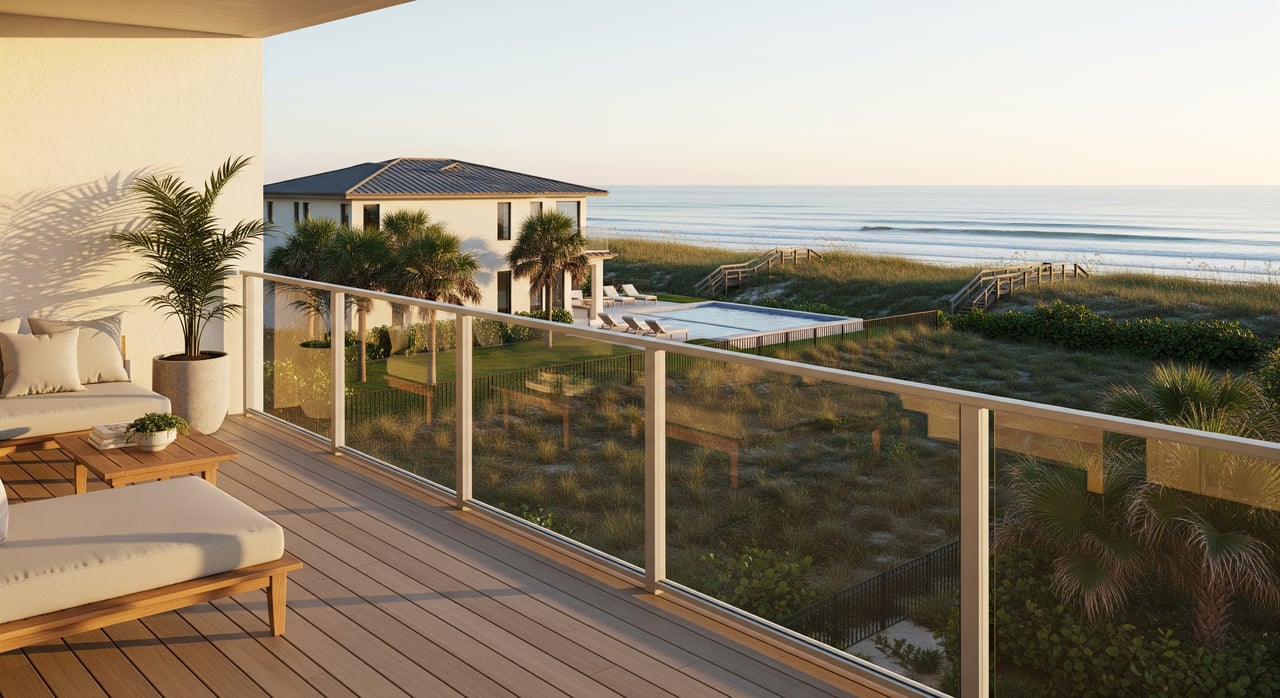
Hutchinson Island Condo vs House: How to Choose
Trying to choose between a condo or a single‑family house on Hutchinson Island? You’re not alone. The island offers a mix of oceanfront towers and private homes, and the right fit comes down to how you want to live, what you want to spend, and how hands‑on you want to be. In this guide, you’ll compare costs, insurance and flood factors, rental rules, financing, and day‑to‑day lifestyle differences so you can decide with confidence. Let’s dive in.
Hutchinson Island in St. Lucie County is a barrier island with ocean and intracoastal exposure. Condos are common along the shoreline and often come with amenities that make second‑home living easier. Single‑family homes are fewer and typically command higher purchase prices, especially with direct beach or water access.
The coastal setting brings unique considerations. Salt air, wind, and storm exposure shape maintenance, insurance, and long‑term planning. Understanding how those realities play out for condos versus houses is the key to a smart decision.
Condo and association fees on the island typically bundle many exterior and shared costs. You often see coverage for the roof and building envelope, exterior painting, landscaping, pest control, elevators, pool and hot tub care, common‑area utilities, and on‑site management. Budgets may include reserves for long‑term repairs, and associations can levy special assessments for major projects.
Two smart steps before you buy: review the current budget and reserve study, and confirm what the master insurance policy covers. Ask about the policy type, the deductible, and whether flood coverage is included for the building. Flood coverage for individual units is often separate.
Single‑family ownership gives you full control and more space, but most exterior costs are on you. Expect to handle roof and exterior upkeep, landscaping, pool service if applicable, and home insurance. In neighborhoods with HOAs, fees are often lower than condo fees and may only cover shared roads or small amenities.
You’ll also pay utilities directly. On the island, confirm who provides water and sewer service and whether a property uses a septic system or is tied to public utilities. These details can affect both monthly costs and future upgrades.
Coastal condos face capital projects over time, such as concrete restoration, balcony repair, roof or elevator replacement. Healthy reserves can soften future assessments. Before you close, request recent meeting minutes, engineering reports, and any notices of planned projects or litigation. It’s important to know what’s coming and how it will be funded.
As a barrier island, Hutchinson Island is exposed to storm surge, wave action, and flooding. FEMA flood maps determine whether a lender requires flood insurance. Elevation matters; properties at lower elevations or closer to the ocean typically face higher risk and premiums. If you plan to finance, verify the flood zone and ask for an elevation certificate if available.
For condos, the association’s master policy typically insures the structure and common elements. You’ll likely need an HO‑6 policy for interior improvements, personal property, and liability. Many owners add loss assessment coverage to help cover association deductibles or uncovered portions if the building suffers a loss.
For single‑family homes, you’ll secure a dwelling policy that includes wind or hurricane coverage and a separate flood policy if required by the lender or desired for risk protection. On barrier islands, hurricane deductibles and flood premiums can be significant. It pays to consult an insurance agent with coastal experience early in your search.
Florida has increased focus on building safety programs for condominiums. Associations are expected to complete periodic inspections and plan for structural work. Ask for available inspection or engineering reports, and confirm the status of any required repairs. A well‑run association with documented planning supports both safety and resale value.
Condo associations set their own leasing rules. Common policies include minimum lease periods, a cap on the percentage of rentable units, waiting periods after purchase, and registration requirements for tenants. Some buildings limit or prohibit short‑term rentals altogether. Do not assume rentals are allowed until you read the governing documents.
Short‑term rentals are also affected by county regulations and taxes. St. Lucie County may require registrations or permits, adherence to safety and parking rules, and collection of tourist development taxes. If you plan to host, confirm current requirements with the county and be prepared to remit applicable taxes and report income.
Single‑family beachfront homes that allow short‑term rentals can command higher nightly rates but require hands‑on management. Think cleaning schedules, linens, maintenance, and marketing. Condos with on‑site amenities and management can be easier to operate, but rental rules may be more restrictive. A local property manager can provide realistic seasonal occupancy and expense assumptions for Hutchinson Island.
Condo financing can be more complex than a single‑family home. Lenders review the project’s financials, reserves, insurance, and rental policies. Some loan programs require project approval, and associations with low reserves or ongoing litigation may face stricter underwriting. High monthly fees can also affect your debt‑to‑income ratio.
Single‑family homes are often more straightforward to finance using conventional, FHA, or VA programs, subject to standard underwriting and property condition. If you’re interested in a condo, connect with a lender early and ask them to vet the specific building.
Condos often appeal to buyers seeking low‑maintenance living, seasonal use, and on‑site amenities. Strong reserves, transparent governance, and flexible leasing policies can widen the buyer pool. On the other hand, aging structures, major repairs, or strict rental limits can slow resale.
Single‑family homes attract buyers who want privacy, land, and more control over use. Purchase price and maintenance demands can narrow the field, but ocean or intracoastal access, elevation, and walkability to services can enhance long‑term value. Association reputation and documented maintenance matter for both property types.
If you want a yard, garage, and freedom to shape your exterior, a house may be the best fit. You control landscaping, outdoor storage, and many remodel choices, subject to permits. With a condo, you trade some control and privacy for simplicity, since the association handles exterior care and common areas.
Condo communities often provide pools, fitness rooms, landscaped grounds, and on‑site management. That can make seasonal living smoother and can support a rental strategy, where allowed. Houses usually have fewer shared amenities, but you gain private outdoor space and the ability to build what you want over time.
Condo buildings can have higher turnover during peak season, especially where short‑term rentals are permitted. That may mean more elevator traffic and parking pressure at certain times of year. Single‑family streets experience seasonal ebb and flow, but turnover is typically less concentrated.
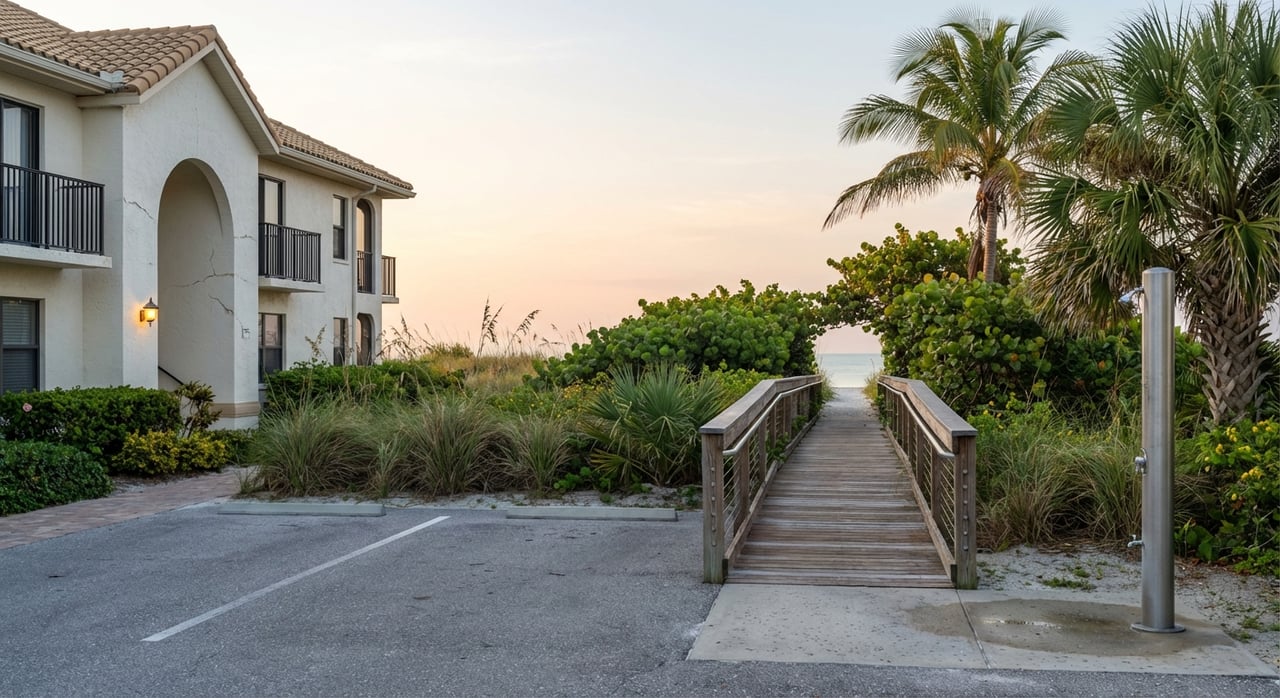
Many condo associations have dune walkovers and designated beach access. Some single‑family homes offer private paths depending on lot and local easements. During sea turtle nesting season, expect lighting and furniture rules on the beach. Owners and renters should follow local guidance to protect nesting habitats and stay compliant.
Before you move forward, work through this quick checklist:
For condos and HOAs:
For single‑family homes:
For local due diligence:
If you want low‑maintenance living with built‑in amenities and you’re comfortable with association governance and fees, a condo can be a great Hutchinson Island fit. If you value privacy, outdoor space, and full control over your property’s use, a single‑family home may suit you better. Either way, matching the property to your goals and budget is the path to a confident purchase.
Ready to compare specific buildings and neighborhoods side by side? Reach out to Shane & Hatfield for a local consultation that covers fees, insurance expectations, rental rules, and recent sales. Request Your Complimentary Home Consultation.




Gather together warranties and guarantees on the furnace.

Legal responsibilities your real estate salesperson has to you.
If you qualify for a loan, what terms you’ll be able to qualify for?
Looking to buy, sell, or invest in Port St. Lucie, FL? We are dedicated to making your real estate dream come true.