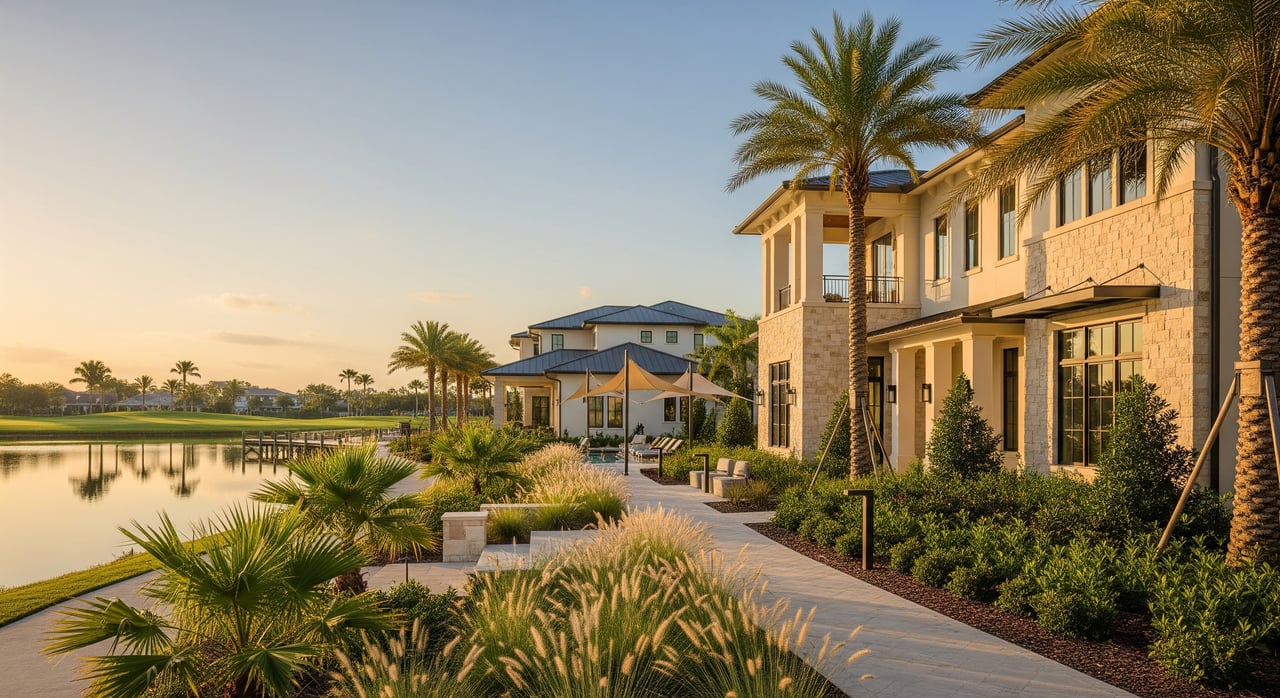
Master Planned Community Living in Port St. Lucie 34987
Thinking about a home where your morning walk winds past pocket parks, the kids can bike to a splash pad, and your HOA keeps the front yard tidy when you travel? If you are exploring Central Park, Tradition, or other new neighborhoods in Port St. Lucie’s 34987 area, you have likely heard the term “master‑planned community.” You want clarity on how these neighborhoods work, what they cost, and how to buy wisely. In this guide, you will learn what master‑planned living means in Port St. Lucie, how HOAs and CDDs affect your budget, and a step‑by‑step due‑diligence checklist tailored to 34987. Let’s dive in.
A master‑planned community is a large development built in phases under a single plan. The plan lays out land uses, roads, utilities, open space, and design standards. Builders then deliver homes over many years, while the developer installs infrastructure and amenities in stages.
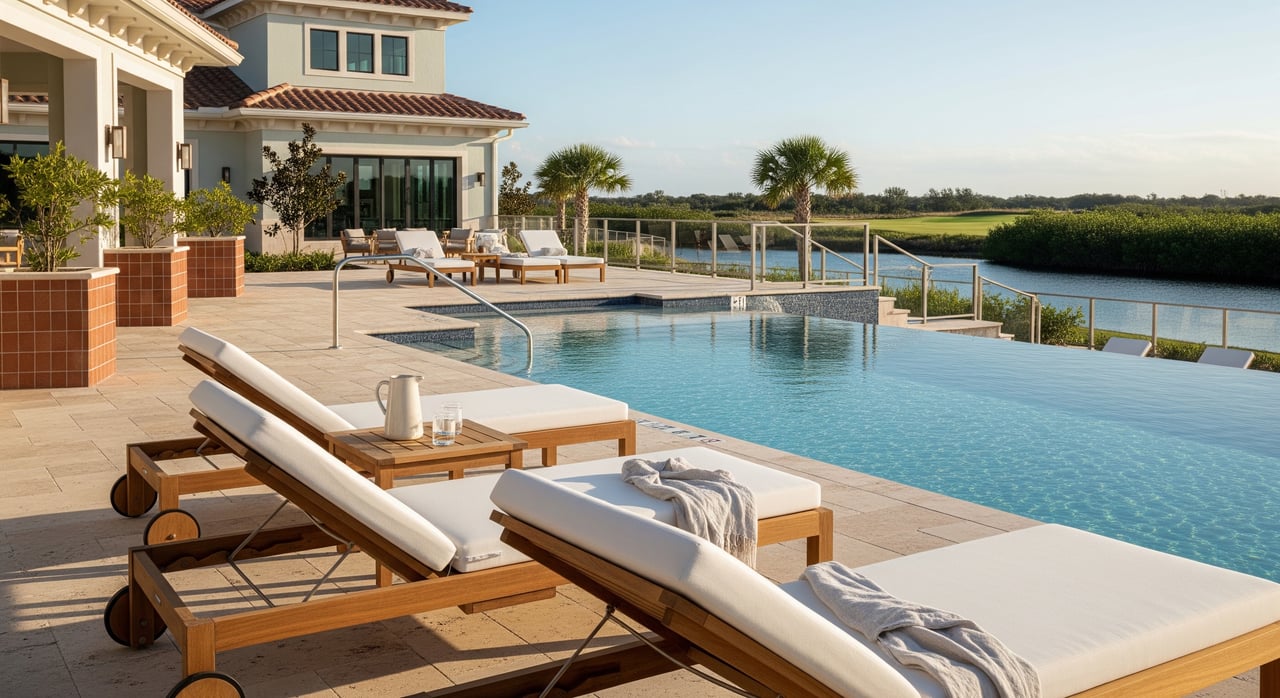
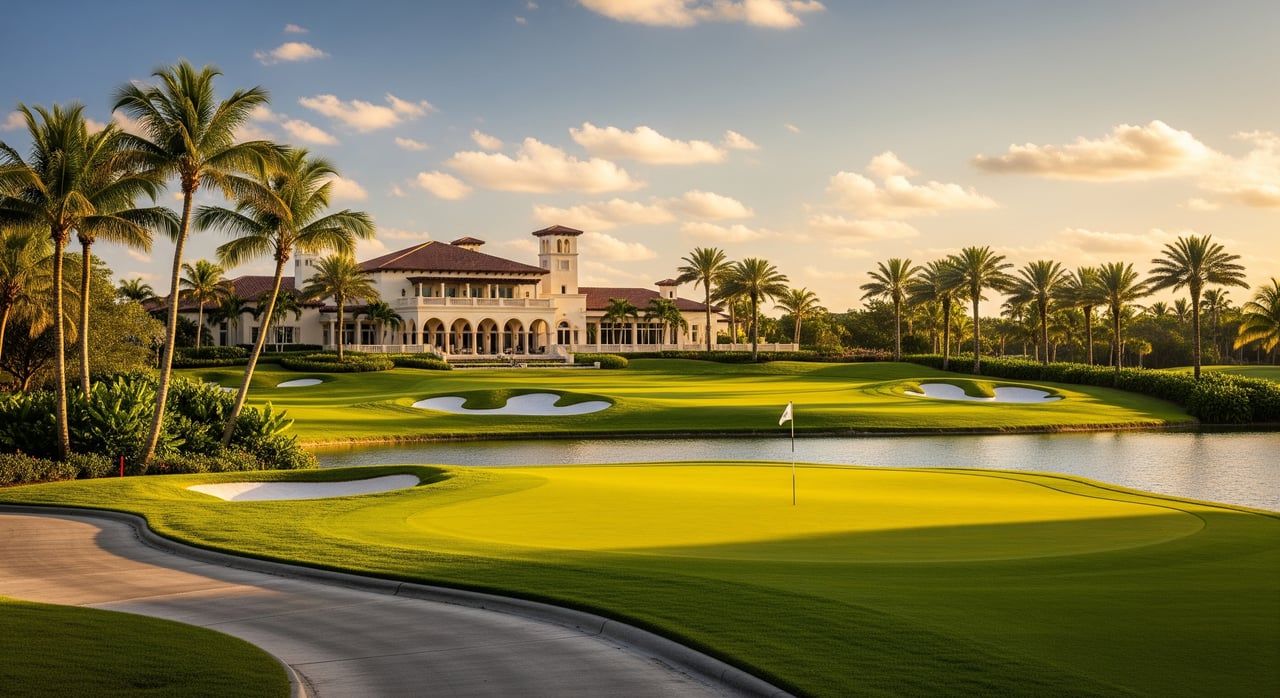
You will often see a mix of home types, from single‑family to townhomes, and sometimes age‑targeted sections. Amenities commonly include pools, fitness centers, trails, playgrounds, sports courts, and clubhouse spaces for events. Larger plans can add on‑site retail, healthcare, and professional services. Green space and stormwater ponds are typically integrated from the start.
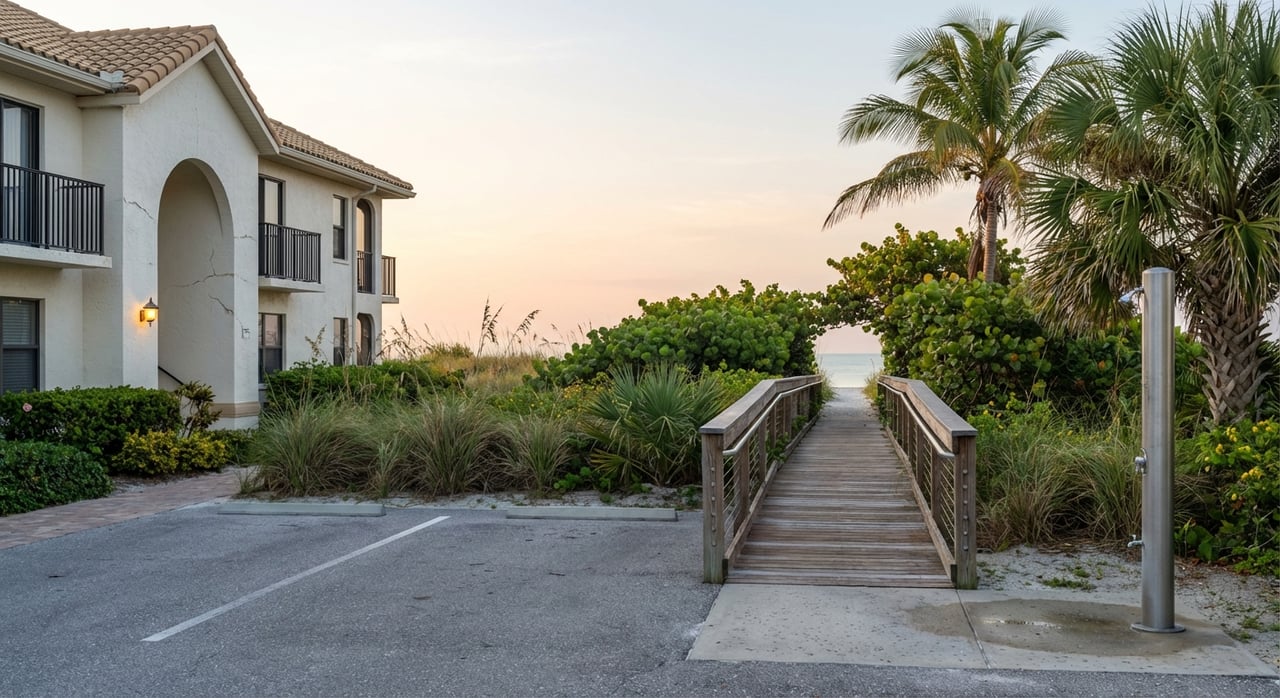
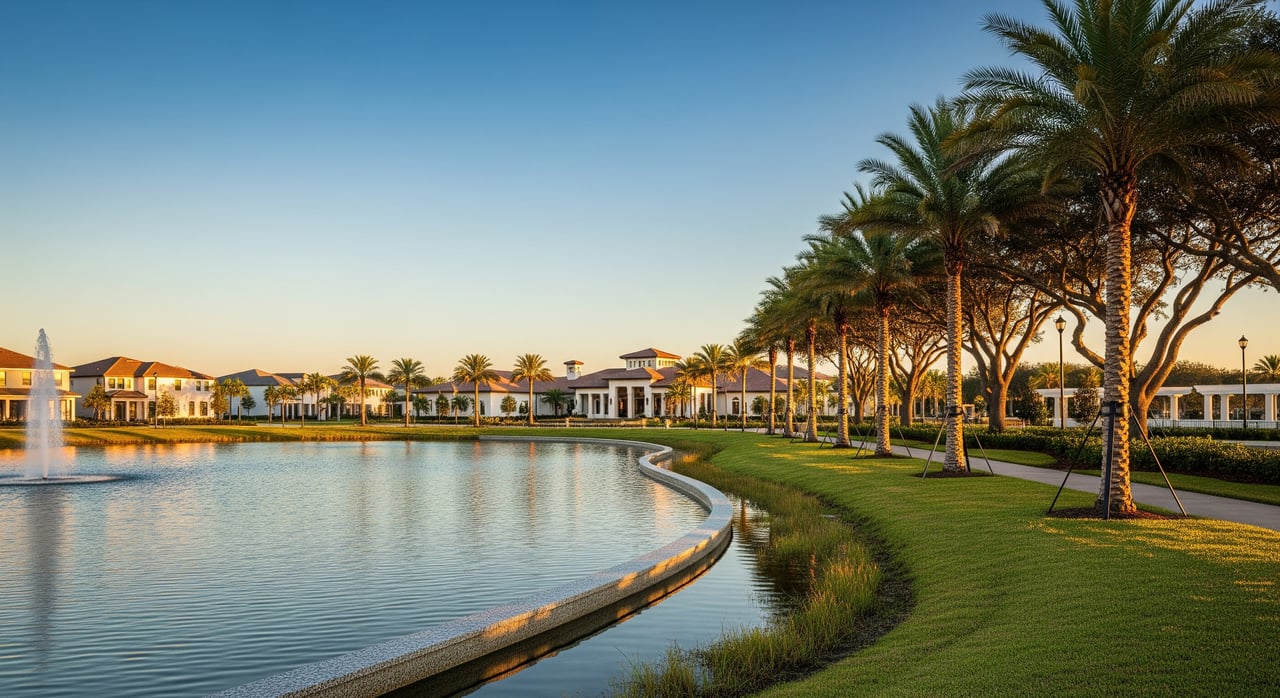
In 34987, MPCs emphasize recreation, walkability, and modern design standards. Expect pocket parks, connected sidewalks and paths, and landscaped entries. Many neighborhoods feature programmed activities at a clubhouse, and some master plans add small shopping or medical offices nearby to reduce daily trips.
Most MPCs form a homeowners’ association to manage common areas, enforce architectural guidelines, and run amenities. In Florida, HOAs operate under state law, including Florida Statutes Chapter 720. You agree to the covenants and rules at purchase, and the HOA funds operations through dues and can impose fines or special assessments when needed.
Florida also uses Community Development Districts to finance and maintain roads, stormwater systems, and often amenity facilities. A CDD is a special local government unit authorized by Florida Statutes Chapter 190. CDDs commonly issue bonds to fund up‑front infrastructure. Property owners within the district repay those bonds through a recurring annual assessment that usually appears on the county tax bill. CDD assessments are not optional and remain in place until obligations are satisfied.
Budget for the full picture of ownership costs: HOA dues, possible special assessments, CDD assessments, property taxes, homeowners and flood insurance, utilities, and any transfer or landscape fees. During your contract period, you should receive HOA documents such as covenants and recent financials. CDD budgets and assessments are public records and appear on the county tax bill.
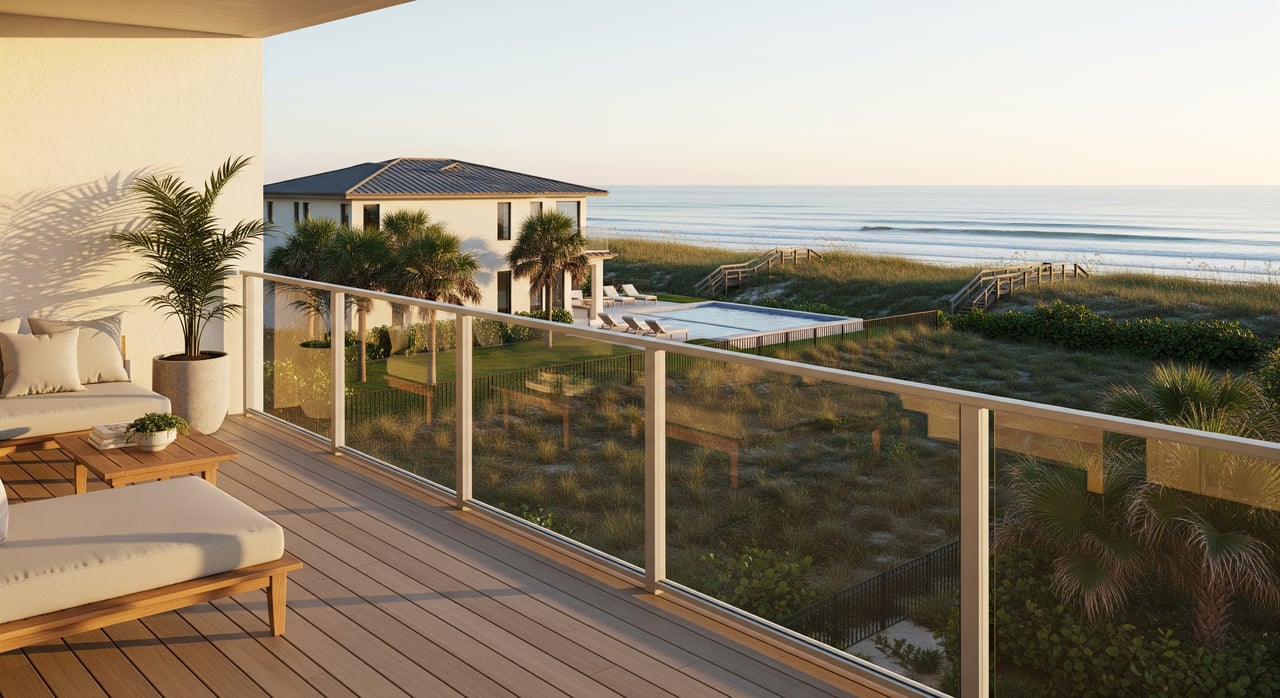
Master‑planned living offers a clear lifestyle: new construction, coordinated landscaping, and amenities close to home. You may find community programming convenient and the maintenance of common areas reassuring, especially if you travel often.
There are trade‑offs. You will have rules for exterior changes, parking, rentals, pets, and seasonal decor. Uniform design standards can limit personal expression. Costs add up when you combine HOA dues with CDD assessments. Governance can evolve as developer control transitions to homeowner boards, and early phases may have amenities still under construction.
Port St. Lucie is a growth hub on the Treasure Coast with multiple master‑planned neighborhoods appealing to a wide range of buyers. These communities often integrate parks and trails with neighborhood amenities. Because many plans include sub‑neighborhoods and several builders, MLS listing names can vary. Verify the exact HOA and, if applicable, the CDD that governs the parcel rather than relying on marketing names alone.
If you want to confirm what is built today versus planned for later phases, review city permits and plats. The City of Port St. Lucie’s official site offers access to planning and permitting resources. For taxes and potential CDD assessments, the St. Lucie County site connects you to property and tax offices.
Port St. Lucie is in a hurricane‑prone region. When you evaluate homes, ask about roof age, impact‑rated glass, and wind‑mitigation features. These details can affect your premiums and peace of mind. For state‑level insurance guidance and market updates, the Florida Office of Insurance Regulation is a helpful resource.
Flood risk varies by parcel. Some lots sit within FEMA‑mapped flood zones that may require flood insurance. Before you make an offer, check the property’s location on the FEMA Map Service Center and request an elevation certificate if available.
Use this checklist to stay organized as you compare homes in Central Park, Tradition, and nearby 34987 neighborhoods.
Central Park is one of several new master‑planned options in 34987. As with any large plan, confirm which amenities are complete today and which are scheduled for later phases. Ask for the developer’s current disclosures, HOA contacts, and any CDD information tied to the specific parcel. Because neighborhood and marketing names can overlap with sub‑neighborhoods, verify the exact legal subdivision, HOA, and district shown on the plat and county tax records.
If you are comparing Central Park to Tradition or other nearby communities, use the same checklist: total monthly and annual costs, governance style, amenity access, completion timelines, and transportation to your daily needs. The goal is clarity on what you get now, what arrives later, and what it costs each year.
Master‑planned living delivers convenience and community, but the fine print matters. A knowledgeable local team can help you evaluate HOA and CDD documents, confirm what is built versus planned, and align your lifestyle priorities with the right neighborhood and lot. If you are relocating or buying new construction, you will benefit from process management, clear timelines, and steady communication from first tour to closing.
Ready to explore 34987 with a trusted, concierge‑level partner? Connect with Shane & Hatfield to compare communities, navigate builder and HOA details, and move forward with confidence.
Looking to buy, sell, or invest in Port St. Lucie, FL? We are dedicated to making your real estate dream come true.