Coastal Living On Hutchinson Island: Daily Life And Logistics
Ever wonder what daily life really looks like on a Florida barrier island? If Hutchinson Island has your heart, you’re smart to ask about the details that shape your routine. From crossing causeways for errands to understanding beach rules, HOAs, and insurance, a little planning goes a long way. This guide breaks down how island living works day to day on the St. Lucie County side so you can decide if it fits your lifestyle. Let’s dive in.
Hutchinson Island sits just off Florida’s Treasure Coast, with the St. Lucie County portion stretching between Fort Pierce and Jensen Beach. State Road A1A is your main north-south route on the island. To reach the mainland for groceries, healthcare, and most services, you cross a causeway into Fort Pierce, Jensen Beach, or Stuart.
Causeways are natural bottlenecks. The Jensen Beach Causeway, also known as the Frank A. Wacha Bridge, is a key crossing that carries substantial daily traffic, which is why you can see slowdowns during rush hours, holidays, or bridge work. If you plan commute times or frequent errands, it helps to know that SR 732 behaves like a pinch point. Build a small buffer into your schedule on busy days.
Parking rules vary by building and community. Many condo associations regulate guest parking, overnight parking, and street parking. Before you buy, ask for written HOA guidelines so you know how many vehicles you can keep on-site and what to expect during peak season when guests visit.
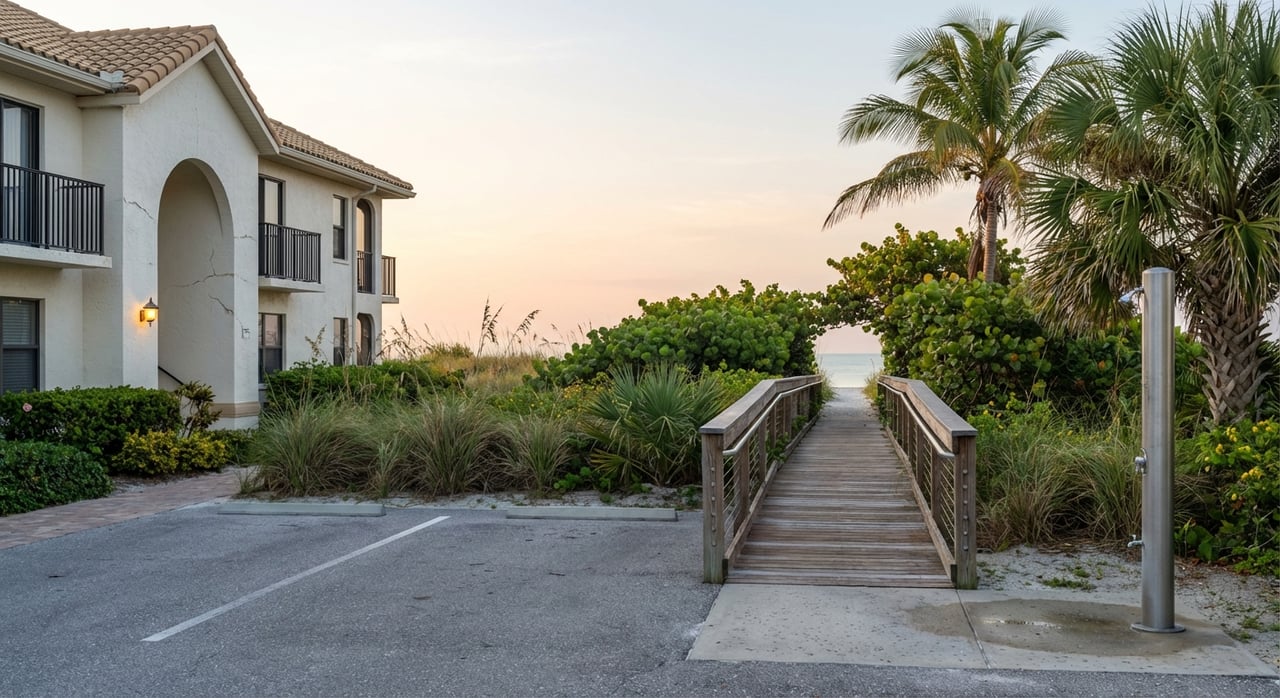
One of the best parts of island life is having beach parks minutes away. St. Lucie County manages multiple beaches on Hutchinson Island with posted hours, amenities, and lifeguard schedules that can change with conditions.
If you prefer lifeguards and amenities like restrooms and showers, look at the county’s beach parks. On the north island, Pepper Park Beachside offers broad sands and family-friendly facilities. On the south end, Waveland Beach is the southernmost guarded beach in the county. Check park pages for current lifeguard coverage and any weather updates before you go.
If you ride, note that Frederick Douglass Memorial Park permits horseback riding with a county permit. Hours and access may change during renovations or after storms, so confirm details before planning a group ride.
From spring into fall, sea turtle nesting season brings added guidelines about lights and beach use after dark. You may also see temporary closures or adjusted access during high surf or rip current days. Respect posted flags and signage to keep everyone safe, including local wildlife.
Daily logistics are straightforward once you plan for a few island realities. You can find convenience items on the island at small markets and marina shops, but you will likely cross a causeway for full grocery runs, pharmacies, medical appointments, and specialty retailers.
Curbside trash and recycling are managed by St. Lucie County. Pickup days vary by address, so use the county’s Solid Waste Division page to confirm your schedule and see what materials are accepted. If you are moving into a condo, check whether your building uses shared collection points or chutes.
Housing on the island leans toward condominiums, with a mix of mid-rise towers and low-rise communities, and a smaller number of single-family homes. Many buildings offer direct beach access, pools, clubrooms, and on-site managers or maintenance teams. This can simplify daily life, especially if you travel often or plan to use the home seasonally.
Island condo associations typically collect monthly dues that may bundle several recurring costs. Because each building is different, ask for a current breakdown. Common inclusions are:
Oceanfront buildings often have higher dues than inland or older complexes, reflecting amenities, insurance, and upkeep needs. Always request the latest association budget, meeting minutes, and reserve studies to understand near-term projects.
HOAs set rules for owner and guest parking, pet sizes or breeds, and short-term leasing. If you plan to rent the home part-time, confirm minimum lease terms, any seasonal blackout periods, and hurricane-season procedures. If you have multiple vehicles or a work truck, check restrictions in writing before you commit.
Insurance is a key part of the cost picture on a barrier island. Your coverage mix depends on property type, location, and your lender’s requirements.
Flood insurance is separate from your homeowners policy. Lenders typically require it if a property sits in a Special Flood Hazard Area. Before you make an offer, check the address in the FEMA Flood Map Service Center and ask the seller for an elevation certificate if available. Even outside high-risk zones, many owners carry flood coverage as a financial safety net.
Florida’s property insurance market continues to evolve. State regulators report signs of stabilization after recent reforms, but policies, deductibles, and discounts can vary by carrier and building age. It is wise to seek quotes early and compare hurricane deductibles and wind-mitigation credits. For context on market conditions, review the Florida Office of Insurance Regulation’s update.
Condo associations usually maintain a master policy covering the building exterior and shared areas. As an owner, you still need an HO-6 policy for interior finishes, personal property, and liability. Coverage details differ by association, so ask for the master policy declarations and confirm what is and is not covered, including water damage and special assessments.
Bring this quick list to your agent meeting:
Water access is a core part of the Hutchinson Island lifestyle. From boat ramps to marinas, you have options depending on your vessel and routine.
The Jensen Beach Causeway Park has a public boat launch and facilities under the causeway, making it a popular spot for inshore trips on the Indian River Lagoon. Parking can fill up on weekends and during events, so arrive early on busy days.
Slip availability, fuel options, and transient dockage vary by marina. Call ahead to confirm rates and rules, especially during winter season when demand rises. If you want provisions close to your slip, some marinas and resort communities offer on-site markets and dining to simplify your turnaround.
Many anglers run offshore through the Fort Pierce Inlet for reef and bluewater fishing when conditions allow. If that is part of your plan, factor travel time from your home to the inlet, and watch marine forecasts closely during hurricane season and winter fronts.
Island rhythms change across the year. You will notice seasonal traffic patterns, temporary park changes, and wildlife protections that help you plan your outings.
Winter is the classic “snowbird” season, with more day visitors and weekend activity from roughly November through April. Summer brings warmer water and lighter weekday crowds, with spikes on holidays and event weekends. For an overview of the island’s beach scene, see this Hutchinson Island guide.
St. Lucie County periodically undertakes beach renourishment to restore sand and protect shorelines. These projects can temporarily reroute parking or limit access at specific parks. Recent reporting highlights multimillion-dollar work along the island, a reminder to check county notices during active projects. See an example of renourishment coverage here.
A few times a year, king tides or strong onshore winds can push water into low-lying park areas. When that happens, the county may close parking lots or entries until water recedes. Local reports have documented temporary beach park closures during king tides. Plan a backup beach or a later outing during these windows.
If you love sunrises over the Atlantic, quick access to the lagoon, and a quieter, coastal pace, the St. Lucie side of Hutchinson Island delivers. Day-to-day life stays smooth when you plan for causeway trips, learn your building’s policies, and confirm insurance early. You get the best of both worlds: a relaxed island setting with groceries, dining, and services just across the bridge.
When you are ready to explore communities, compare HOA structures, or build a plan for insurance and inspections, the right local guide makes the process much simpler. If you want a concierge experience with clear steps from search to close, reach out to Shane & Hatfield. We will help you match the lifestyle you want with the daily logistics that make it work.


Gather together warranties and guarantees on the furnace.

Legal responsibilities your real estate salesperson has to you.

If you qualify for a loan, what terms you’ll be able to qualify for?
Looking to buy, sell, or invest in Port St. Lucie, FL? We are dedicated to making your real estate dream come true.